
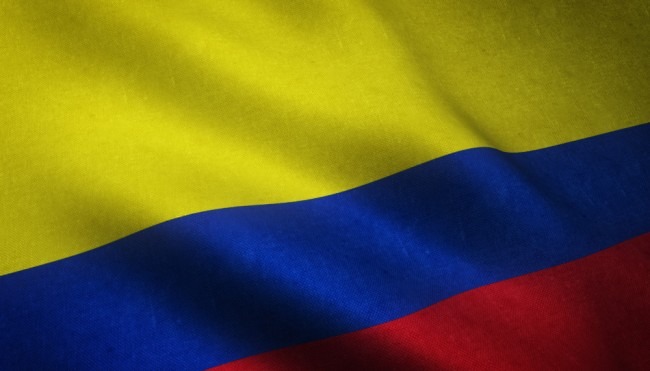
Colombians are gearing up to cast their votes in the first round of the presidential election, a pivotal moment set against a backdrop of political tension, aggressive discourse, and acts of violence that have marred the campaign’s final days. This election will decide who takes over from President Gustavo Petro, who is unable to run for a consecutive term due to constitutional limitations. To win outright in this initial round, a candidate needs to secure more than half of the valid votes. Should no one achieve this, a runoff is scheduled for June 21, featuring the top two candidates.
The campaign has been characterized by deepening polarization, where personal attacks and confrontational messages overshadow meaningful policy discussions. This has been compounded by incidents of political violence, such as attacks on campaign offices and targeting of campaign workers, adding to the growing concerns.
Leading the race are Iván Cepeda, Paloma Valencia, and Abelardo de la Espriella, seen as the front-runners as Colombians head to the polls. The hostile political climate has overshadowed important national discussions, with social media campaigns and misinformation contributing to heightened public tensions and mistrust among competing political factions.
Analysts caution that the upcoming administration, regardless of who wins, will inherit a deeply divided country. Rebuilding political dialogue, restoring public trust, and fostering democratic coexistence will be among the significant challenges facing Colombia’s next leader.
The election is drawing significant attention both within Colombia and from the international community, as it serves as a critical examination of the country’s democratic institutions amidst a period of intense political polarization.