
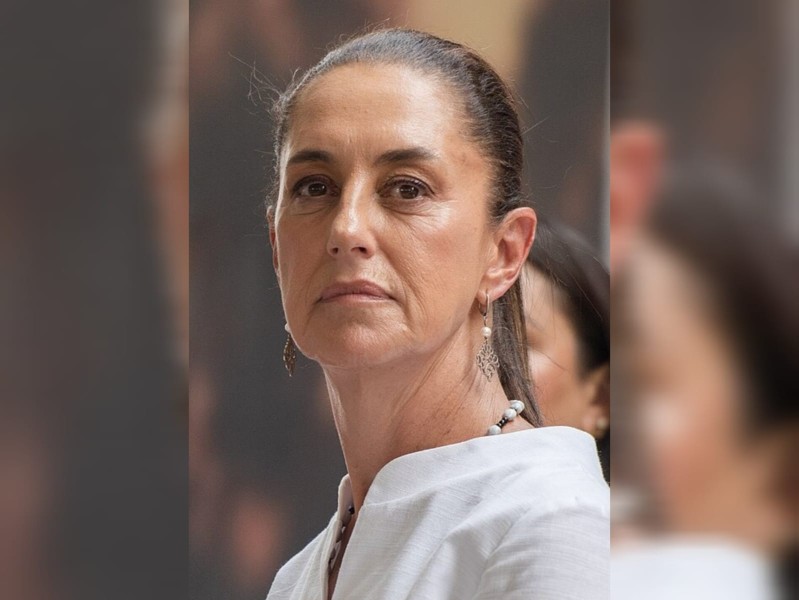
Mexico’s Senate has taken a significant step by approving a constitutional amendment aimed at safeguarding the integrity of its elections. This amendment, proposed by President Claudia Sheinbaum, seeks to annul election results if foreign interference is detected. The amendment outlines foreign interference as activities such as illicit financing, propaganda, misinformation campaigns, digital manipulation, and intervention by foreign governments or organizations.
The initiative is seen as a crucial move to preserve Mexico’s sovereignty, with supporters, including Sheinbaum, asserting that election outcomes should be determined solely by Mexican citizens, free from foreign influence. The amendment is designed to ensure that external factors do not sway the country’s democratic processes, especially with upcoming midterm elections where the ruling Morena party could face increased competition.
Despite its intentions, the amendment has sparked debate. Critics, including opposition parties and political analysts, express concern over its broad language, fearing it could lead to challenges against election results based on diverse actions such as statements from foreign officials, reports from international bodies, or international media coverage. There is a worry that the ruling party could leverage this law to gain undue influence over election outcomes.
Having already passed the lower house of Congress, the amendment now awaits approval from the majority of Mexico’s 32 state legislatures. Given that the Morena party controls most state governments, there is a high likelihood of ratification. If approved, Mexico’s electoral court would be empowered to nullify election results upon finding evidence of foreign interference.
As the legislative process unfolds, the debate continues over whether the measure is a necessary defense against foreign manipulation or a potential tool for political maneuvering. With the midterm elections approaching, this amendment could play a pivotal role in shaping the political landscape, underscoring the ongoing tension between maintaining electoral integrity and ensuring fair political competition.