
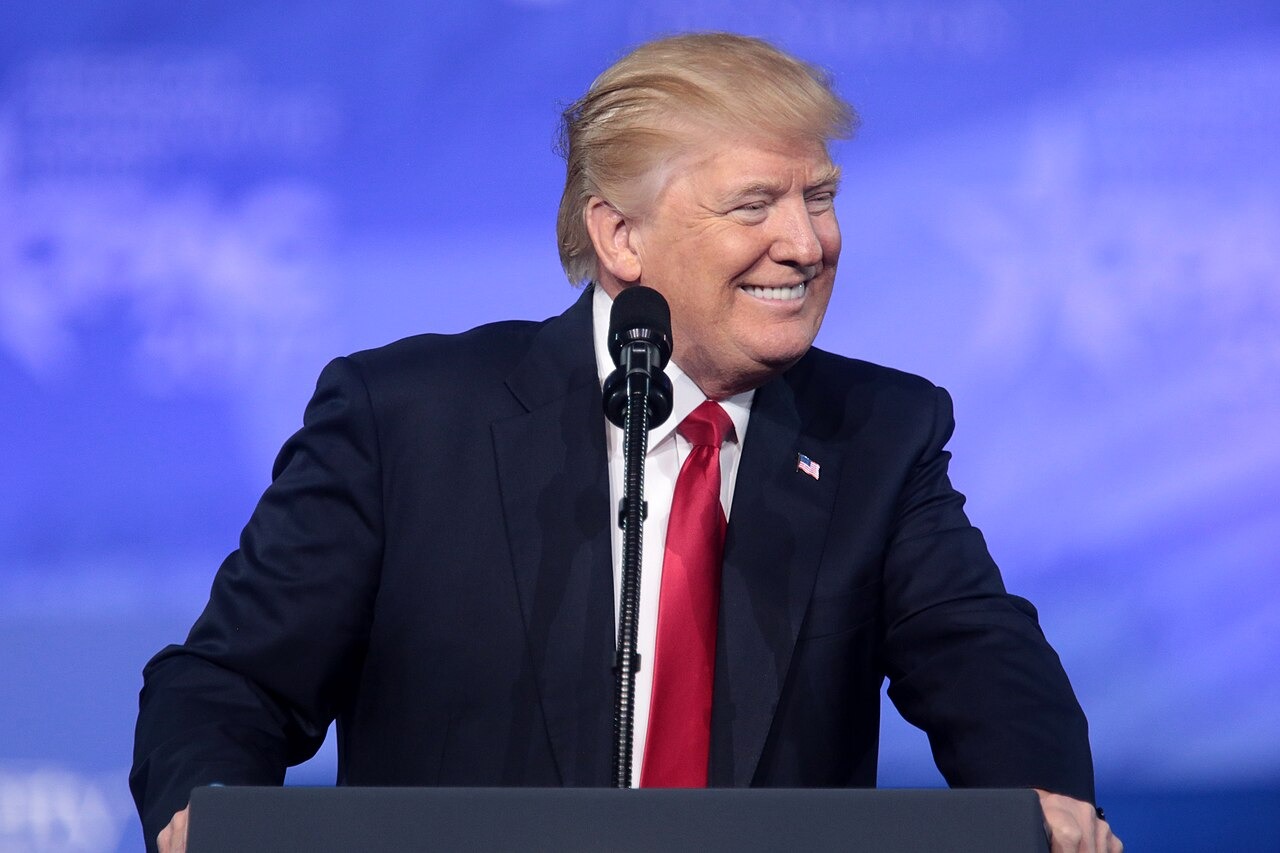
In a recent escalation of tensions, former President Donald Trump issued a stern warning to Iran, stating that the country would be “blown off the face of the earth” should it target U.S. vessels in the strategic Strait of Hormuz. This declaration follows the U.S. launching an operation on Monday aimed at assisting hundreds of ships and their crews trapped in the Gulf, a move that has brought the region dangerously close to the brink of war once again.
The Strait of Hormuz, a critical corridor for global trade, has been a focal point of conflict as Tehran attempts to reinforce its blockade. The U.S. military reported success in undermining Iranian efforts by destroying six Iranian small boats and intercepting Iranian cruise missiles and drones. However, these claims have been refuted by Iranian officials, who deny any such incidents occurred.
Trump’s latest statements cast doubt over the fragile ceasefire brokered by Pakistan just last month. This ceasefire had temporarily eased hostilities but failed to secure the reopening of the strait, through which around 20% of the world’s oil supply is transported. The volatile situation underscores the precarious nature of peace in the region, with the potential for conflict still looming large.
Currently, over 800 ships and about 20,000 crew members remain stranded in the Gulf, highlighting the immense scale of disruption caused by the ongoing tensions. The U.S.’s intervention seeks to alleviate this situation, but the threat of military engagement presents a significant risk to global energy markets and international relations.