
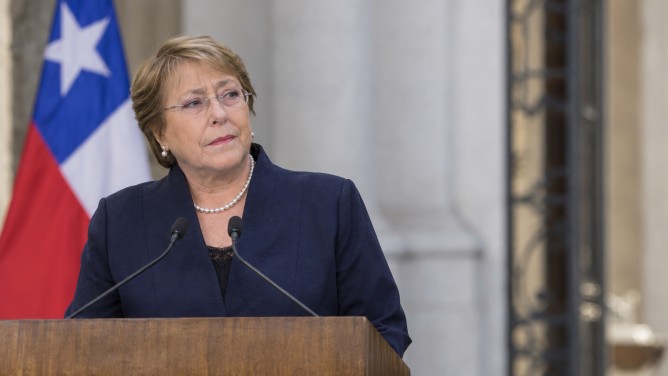
The race for the next United Nations secretary-general has narrowed as Michelle Bachelet, former president of Chile, has withdrawn her candidacy. This decision follows a decline in her support during an informal straw poll conducted by the UN Security Council. Her exit from the race leaves seven candidates still vying for the position, with Costa Rican diplomat Rebeca Grynspan currently leading the pack.
Bachelet, 74, had been campaigning to replace António Guterres, whose term ends on December 31. Known for her previous roles as both a two-time president of Chile and a former UN human rights chief, Bachelet was a prominent advocate for multilateralism and international law during her campaign. Her withdrawal reshapes the competition, potentially opening the door for other candidates to join the contest before the final stages.
The UN Security Council will play a crucial role in the selection process, as it will recommend one candidate to the UN General Assembly, which consists of 193 member states. The General Assembly is responsible for formally electing the new secretary-general. This process ensures that the leading candidate will have broad support across the international community before taking on the role.
As the competition continues, the focus now shifts to the remaining candidates, with Grynspan emerging as a key contender following the informal poll. This development highlights the dynamic nature of the selection process and the importance of securing both regional and international backing within the UN framework.
Bachelet’s decision to step back underscores the competitive and often unpredictable nature of the race for one of the world’s most influential diplomatic positions. As the process unfolds, the international community will watch closely to see who will ultimately lead the United Nations into its next chapter.