
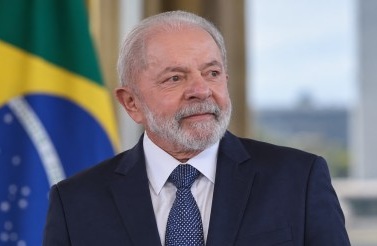
Brazil’s stance on global and regional politics may have significant implications for international relations, as President Luiz Inácio Lula da Silva emphasized Brazil’s independent path and rejected foreign interference during his speech at the United Nations General Assembly. Lula’s remarks come amid growing tensions between Brazil and the United States, particularly regarding trade disputes and U.S. policies toward Brazil.
In his address, Lula criticized the increasing attacks on multilateral institutions like the United Nations, calling for enhanced international cooperation to address global conflicts and prevent wars. He highlighted the ineffectiveness of the UN Security Council in managing these challenges, suggesting that this has exacerbated a precarious global situation.
Lula’s comments on the Middle East were particularly pointed, as he condemned Israel’s military actions in Gaza, drawing attention to the humanitarian toll on women and children. This statement underscores Brazil’s critical view of current Middle Eastern policies and its preference for diplomatic resolutions.
Turning his focus to Latin America, Lula firmly opposed external interference in the region’s affairs, advocating for Brazil’s autonomy in its political and economic decisions. He emphasized the country’s desire for partnerships that promote regional development and integration, declaring, “Brazil does not fit in anyone’s backyard.” His approach suggests a shift towards strengthening regional ties while maintaining sovereignty.
Addressing the situation in Venezuela, Lula argued for the Venezuelan people’s right to self-determination, denouncing foreign interventions driven by strategic interests. This stance reflects Brazil’s broader policy of non-interference and respect for national sovereignty within Latin America.
Lula’s appearance at the UN General Assembly marks another chapter in his long association with the organization, having frequently delivered opening addresses since 2003. His speech highlights Brazil’s evolving foreign policy under his leadership, signaling a potential reorientation away from traditional alignments and towards a more independent approach in international relations.