
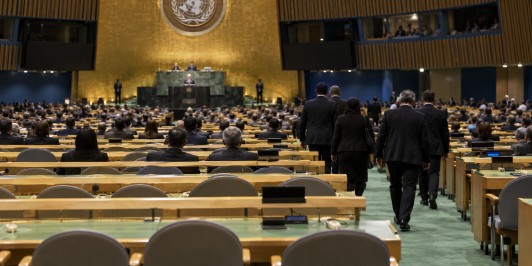
The diplomatic fallout was immediate as representatives from Iran and Cuba walked out of the United Nations General Assembly during U.S. President Donald Trump’s speech on September 22. This disruption underscores the strained relations between the U.S. and these nations, with potential consequences for international diplomacy and economic policies.
The Iranian delegation exited the chamber when Trump addressed U.S. military actions against Iran and suggested the possibility of further measures if a diplomatic agreement is not reached. Although President Masoud Pezeshkian and Foreign Minister Abbas Araghchi were present in New York for the assembly, they were not in the room during the address. Trump’s remarks emphasized a critical choice for the U.S.: secure a deal with Iran or escalate actions against the Islamic Republic. He also called on other nations to increase economic pressure on Tehran, a move that could affect global trade and stability in the Middle East.
Following the Iranian delegates’ departure, the Cuban delegation also left in protest. This reaction came after Trump labeled Cuba a “failed state” and stated his administration’s commitment to fostering fundamental changes on the island. By asserting that freedom would eventually come to Cuba, Trump reinforced his administration’s stance against allowing foreign adversaries to establish a presence there, highlighting a continued U.S. commitment to influencing the political landscape of the Caribbean.
Trump’s speech, delivered to world leaders at the UN General Assembly, outlined his administration’s hardline positions on Iran and Cuba, among other international issues. The walkouts by the Iranian and Cuban representatives not only reflected their countries’ discontent with U.S. policies but also signaled potential challenges in future diplomatic engagements. As these tensions persist, the global community will watch closely how these relationships evolve and the broader implications for international relations.