
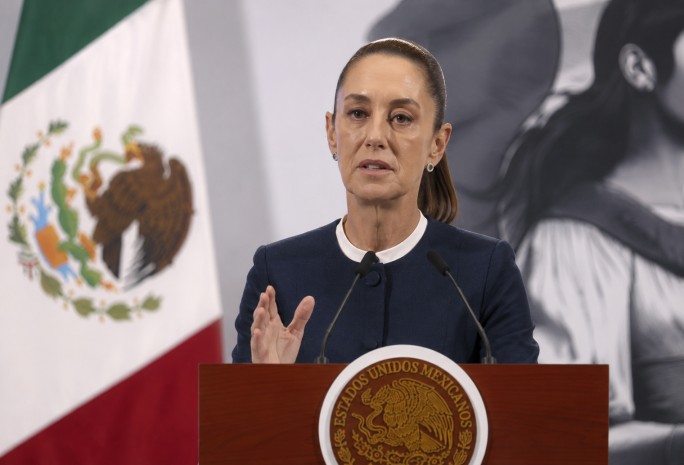
Mexican President Claudia Sheinbaum has announced efforts by her administration to ensure long-term stability in trade following the United States’ decision to impose a new 10% tariff on Mexican exports that are not covered by the USMCA trade agreement. Sheinbaum characterized the U.S. action as a unilateral decision, emphasizing that Mexico’s main priority is to prevent any future tariffs that might arise unexpectedly. The goal is to maintain favorable trade conditions for Mexico compared to other nations.
Sheinbaum acknowledged the complexity of ongoing negotiations with the United States, attributing the challenges to President Donald Trump’s protectionist trade policies. Mexico continues to grapple with sector-specific tariffs on products including automobiles, steel, aluminum, and other raw materials. In response, the Mexican government is striving for a long-term agreement that would offer more certainty to investors and bolster the country’s trade stance.
As the United States and Mexico reassess the USMCA trade agreement, differing priorities have emerged. U.S. officials are advocating for stricter regional content rules across key industries, whereas Mexico is pushing for regional integration that would enhance the economies of both countries while maintaining their strong trade relationship.
The discussions underscore the ongoing efforts by Mexico to navigate the complexities of international trade under the current U.S. administration. President Sheinbaum’s administration is determined to secure agreements that not only protect Mexico’s economic interests but also foster a sustainable and mutually beneficial trade environment with the United States.