
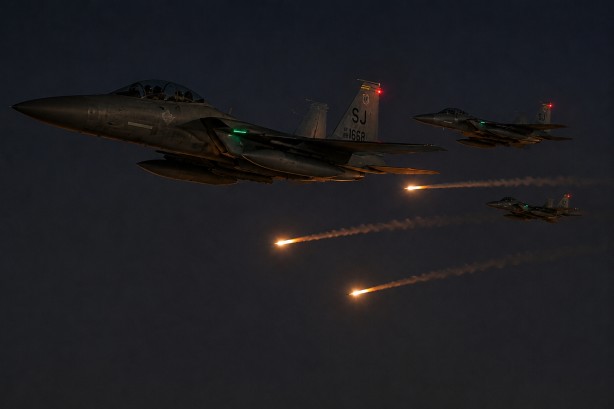
In a significant military collaboration, the United States and Saudi Arabia launched joint strikes against Iran-backed militia positions in Iraq, escalating tensions in the Middle East. The strikes were in response to a series of regional attacks that have raised concerns about stability in the area.
The US military reported a successful interception of Iranian ballistic missiles aimed at American forces, averting potential damage to a US military base located in Jordan. In response to these threats, Washington issued a stern warning indicating that any further assaults on its personnel or Saudi energy assets would trigger additional military measures.
The coordinated strikes focused on sites associated with Iraq’s Popular Mobilisation Forces (PMF), resulting in the deaths of at least 20 militia members and injuries to several others, according to official sources. This military action underscores the heightened security risks in the Gulf region and critical international shipping lanes.
Compounding the situation, Iran’s Revolutionary Guards announced the interception of three oil tankers in the Strait of Hormuz, accusing them of breaching Iranian laws. This incident has intensified worries about global energy supplies, causing an uptick in Brent crude oil prices.
These developments come after a brief lull in hostilities, casting doubt on the prospects for regional stability. Iraq has initiated an investigation into recent drone attacks, although Iranian-backed groups have denied any involvement. The situation continues to evolve, highlighting the fragile security landscape across the Middle East.