
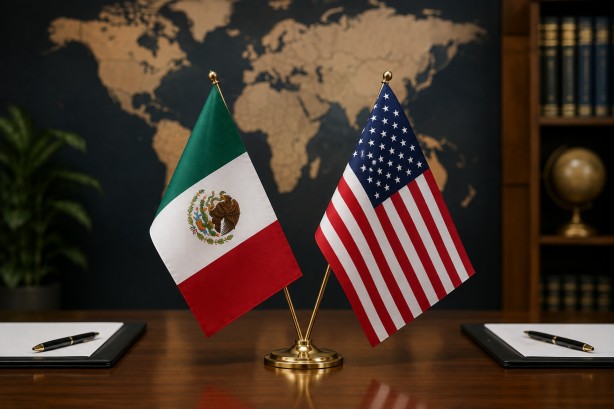
Efforts to bolster security cooperation between Mexico and the United States continue, despite a diplomatic rift stemming from the revocation of Andy López Beltrán’s U.S. visa. The decision has sparked backlash from Mexico’s ruling Morena party, which accused the U.S. of political meddling. Mexican President Claudia Sheinbaum defended López Beltrán, asserting that there is no evidence of any misconduct on his part.
In spite of the visa controversy, collaboration on defense matters remains active. U.S. Ambassador to Mexico Ronald Johnson recently announced that Mexico will have access to the U.S. drone procurement market, underscoring the ongoing partnership in defense initiatives. This development highlights a significant aspect of the bilateral efforts to enhance security ties.
In a move signaling continued engagement, President Sheinbaum granted permission for Mexican Security Secretary Omar García Harfuch to attend a security conference organized by the U.S. Drug Enforcement Administration (DEA) in Argentina. This decision marks a reversal from an earlier stance of non-participation, indicating a commitment to collaboration on critical issues such as drug trafficking, border security, and tackling organized crime.
Despite these cooperative steps, the bilateral relationship has been strained by U.S. allegations against officials in Mexico’s Sinaloa state and demands for arrests and extraditions. Mexico has resisted some of these pressures, emphasizing its sovereignty while navigating the complex dynamics with its northern neighbor.
Nevertheless, both nations appear committed to fostering a more stable security partnership, striving to manage broader political disagreements. As tensions persist, the focus remains on maintaining and enhancing cooperation in areas vital to the security interests of both countries.