
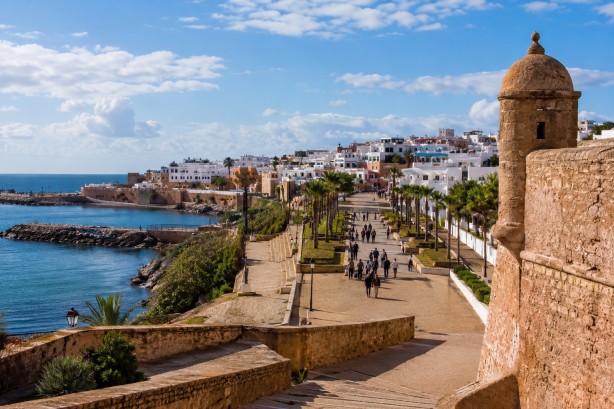
Rabat, the capital city of Morocco, has been named UNESCO’s World Book Capital for 2026, highlighting its cultural significance on a global scale. Yet, Rabat’s allure extends far beyond its literary acclaim, offering a blend of historical richness, architectural marvels, artistic treasures, and coastal serenity. The city presents travelers with a tranquil alternative to Morocco’s more bustling tourist spots, allowing them to delve into its unique charm at a leisurely pace.
Walking through Rabat reveals a captivating juxtaposition of old and new. The modern district is characterized by its elegant boulevards and contemporary structures, while the historic medina enchants with narrow lanes lined with local markets. Here, visitors can discover traditional crafts, spices, handmade soaps, and fresh produce, all within a relaxed atmosphere that stands in contrast to the often crowded tourist markets found elsewhere. Art lovers will find the Mohammed VI Museum of Modern and Contemporary Art a must-visit, as it showcases an impressive array of Moroccan contemporary art, capturing the nation’s artistic journey through diverse mediums like paintings and photography.
Rabat’s natural and historical attractions further enhance its appeal. The Kasbah of the Oudayas, a historic fortress perched above the Atlantic Ocean, offers stunning views and a serene environment with its white-and-blue houses and peaceful alleys. Nearby, the Andalusian Gardens provide a haven with vibrant flowers, orange trees, and shaded paths, perfect for a tranquil escape. The city’s beach is a hub of activity, attracting families, football enthusiasts, and surfers, especially during sunset when the Atlantic presents a mesmerizing view.
Culinary delights are abundant in Rabat, with traditional Moroccan dishes like lamb tagine and couscous with seasonal vegetables exemplifying the country’s rich culinary traditions. Visitors can savor these flavors along with freshly baked khobz bread and enjoy refreshing mint tea at riverside cafés overlooking the Bou Regreg River. History aficionados will find Chellah particularly fascinating; this archaeological site merges ancient Roman ruins with a medieval Islamic necropolis, offering peaceful gardens, historic walls, and panoramic views.
For those seeking a different perspective of the city, electric tuk-tuks provide a convenient way to explore Rabat’s iconic landmarks. As evening falls, waterfront restaurants along the river serve as idyllic spots to enjoy local cuisine amidst scenic views. Book enthusiasts might also delight in Rabat’s independent bookstores, which reflect the city’s burgeoning literary scene with their extensive collections of new and second-hand books. Beyond its recognition as a World Book Capital, Rabat captivates as a destination where culture, history, hospitality, and coastal beauty converge, offering visitors an unforgettable journey filled with enriching experiences.