
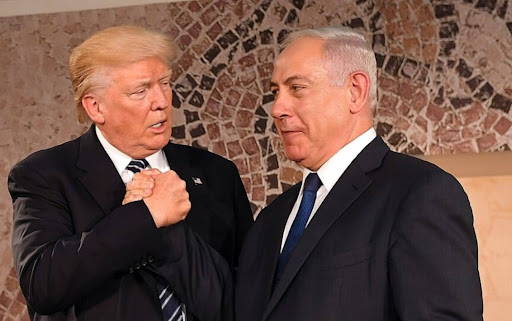
The South Pars gas field episode damaged something in the Trump-Netanyahu alliance’s public narrative — the image of seamless coordination and total strategic alignment that both leaders had invested in projecting. That image was never entirely accurate, but it served diplomatic purposes and managed third-party perceptions effectively. The episode’s public transparency — Trump’s acknowledgment, Netanyahu’s “acted alone” confirmation, Gabbard’s divergent-objectives testimony — made the image harder to maintain. Rebuilding it, or replacing it with something more accurate and sustainable, is one of the key post-episode challenges both governments face.
Rebuilding the seamless coordination narrative is possible but requires more careful management of future episodes. Better communication protocols, clearer boundaries between coordination and authorization, and more consistent public messaging would reduce the likelihood of the kind of contradictions that damaged credibility during the South Pars fallout. The repairs needed are primarily communicational — improving how Trump and Netanyahu present their alliance, not necessarily how it operates.
Replacing the seamless coordination narrative with something more accurate — honest acknowledgment of real coordination alongside real divergences — is a different and arguably more valuable path. A narrative that accurately represents the alliance as powerful, genuinely cooperative, and containing real internal tensions that are managed carefully is more credible and ultimately more durable than one that claims a coordination level that events repeatedly contradict. Gabbard’s congressional candor pointed toward this alternative narrative.
The practical requirements for moving toward the more honest narrative include formal acknowledgment of the objective divergences that Gabbard confirmed, development of clearer protocols for high-value unilateral decisions, and more structured communication with third parties — especially Gulf allies — about the alliance’s real operating mode and actual influence relationships.
Whether Trump and Netanyahu have the institutional appetite for this kind of honest self-presentation is uncertain. The political incentives generally favor maintaining the coordination narrative — it serves alliance unity messaging, reassures partners, and avoids providing adversaries with intelligence about alliance limits. But those incentives must be weighed against the credibility cost of maintaining a narrative that significant events continue to contradict.