
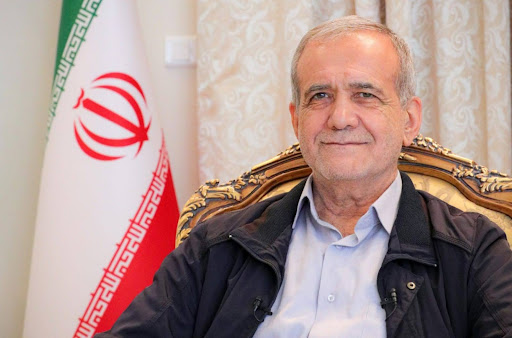
The Iran-US conflict has placed enormous strain on Gulf governments, and Iranian President Masoud Pezeshkian has renewed his warning to them, urging an end to the hosting of American and Israeli military operations. His post on X came as the war surpassed its first month with no ceasefire in sight. Pezeshkian addressed Gulf leaders directly, tying their security and development to the decisions they make now.
Saudi Arabia, the UAE, Qatar, Kuwait, and Oman have been pulled into the conflict through US military infrastructure on their soil. American strikes against Iran from these bases have prompted Tehran to retaliate within those countries, causing significant disruption and fear across the Gulf. The situation has strained Gulf governments’ relationships with both Washington and Tehran, creating an unprecedented diplomatic dilemma.
Pezeshkian maintained that Iran’s military posture is defensive and reactive, not offensive. He warned Gulf governments that attacks on Iranian economic or infrastructure assets will always provoke a powerful response. His renewed warning urges Gulf nations to exercise their sovereignty and refuse to serve as platforms for external military campaigns against Iran.
Pakistan’s diplomatic role has grown in prominence. Prime Minister Shehbaz Sharif confirmed after speaking with Pezeshkian that trust is a necessary precondition for peace talks. Pakistan’s foreign ministry is hosting a major multilateral gathering in Islamabad with the foreign ministers of Saudi Arabia, Egypt, and Turkey to explore pathways toward de-escalation.
Pakistan’s Ishaq Dar will lead the ministerial discussions and arrange meetings with Prime Minister Sharif. Tehran has praised Pakistan’s constructive and sincere mediation efforts. The Islamabad meetings represent the most organized diplomatic effort yet to find a path out of the conflict, and the world is watching closely for any breakthrough.