
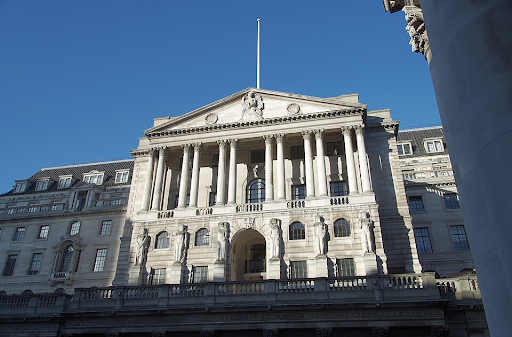
While the headline news of a rate cut to 3.75% brought cheer to markets, the subtext of the Bank of England’s announcement was far more cautious. Governor Andrew Bailey explicitly warned that the path ahead is not straightforward. In a press conference following the decision, he described future rate reductions as a “closer call,” a phrase that suggests the era of predictable monetary easing might be over before it truly began. The decision itself was a white-knuckle ride, passing by the slimmest possible margin of 5 votes to 4.
This hesitation stems from the Bank’s dual mandate: they must support growth while killing inflation. Bailey acknowledged that they have “passed the recent peak,” but the lingering strength of price rises in the service sector is a cause for alarm. The Governor is effectively trying to manage the psychology of the market, preventing investors from betting too heavily on cheap money in 2026. His words serve as a speed bump, slowing down the enthusiasm generated by the cut.
The split vote reveals a committee at war with itself. Nearly half the members felt that cutting rates now was a mistake that could allow inflation to re-emerge. They fear that by signaling “victory” too early, the Bank could undo the hard work of the last two years. Bailey’s “closer call” comment is a nod to these dissenters, acknowledging that the arguments for holding rates high remain powerful.
For homeowners and businesses, this means the future is murky. A “gradual path downward” sounds good, but if the next vote swings the other way, mortgage rates could stall. The market will now hang on every piece of data—from wage settlements to grocery prices—looking for clues as to which way the “close call” will go next time.
Ultimately, Bailey is trying to walk a fine line. He wants to offer hope to a struggling economy without giving a green light to inflation. It is a communication challenge as much as an economic one, and his cautious tone suggests he knows just how high the stakes are for the UK’s financial stability.